
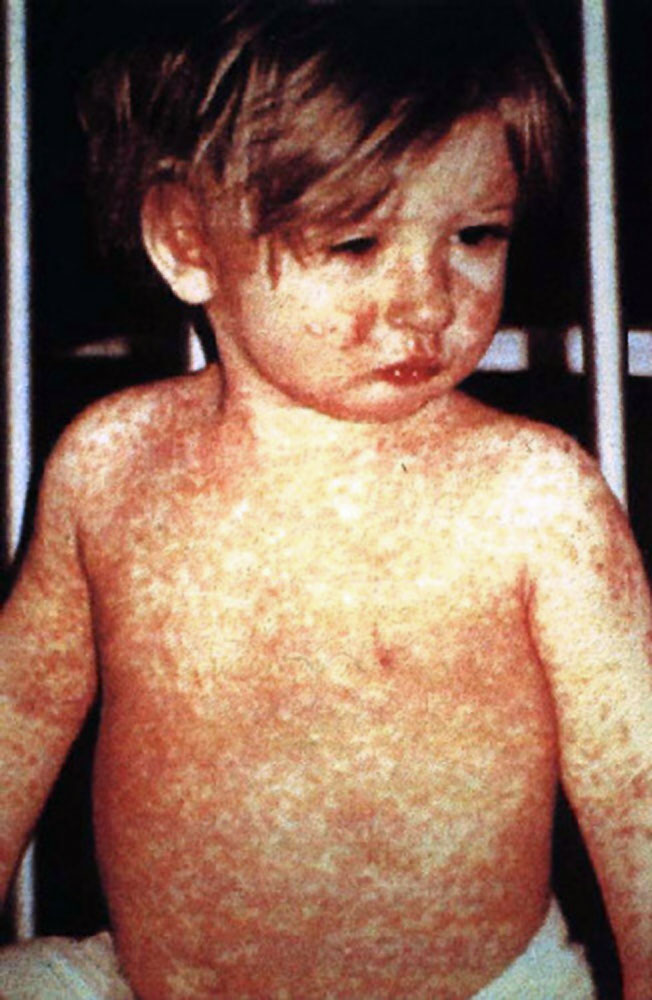
A notable increase in measles cases across the United States is spurring biotechnology firms to intensify their focus on developing new therapeutic treatments for the highly contagious disease.
The resurgence of measles, a viral infection once considered largely eliminated in the country, poses a significant risk, especially for infants too young to be vaccinated and individuals with compromised immune systems who cannot receive the standard preventative jab.
While vaccination remains the primary defence against measles, the rising number of infections underscores a pressing need for effective treatments to manage severe cases and protect those for whom vaccines are not an option or are less effective.
Addressing the Unvaccinated and Immunocompromised
Biotech companies are reportedly exploring various avenues for treatment development. These include the potential for new antiviral medications specifically targeting the measles virus, as well as the creation of monoclonal antibodies.
Monoclonal antibodies are laboratory-produced molecules engineered to mimic the body's own antibodies, designed to neutralise the virus. These treatments could offer crucial protection or mitigate symptoms in vulnerable patients post-exposure or during active infection.
Developing such interventions involves extensive research, preclinical testing, and rigorous clinical trials to ensure both their efficacy and safety before they can be considered for regulatory approval.
Broader Public Health Implications
The United States declared measles eliminated in 2000, a public health triumph largely attributed to widespread vaccination programmes. However, the recent increase in cases has raised concerns among health officials.
The current climb in infections is often linked to pockets of unvaccinated individuals, highlighting the critical role of maintaining high vaccination rates to protect community health.
The development of new treatments by biotech firms, while not a replacement for preventative vaccination, represents a vital parallel effort to bolster the public health defence against a disease capable of causing severe complications, including pneumonia and encephalitis, particularly in children.
Further research and clinical trials are expected in the coming months as companies race to bring these potential new therapies to market.
Discussion (0)
Sign in to join the discussion.