
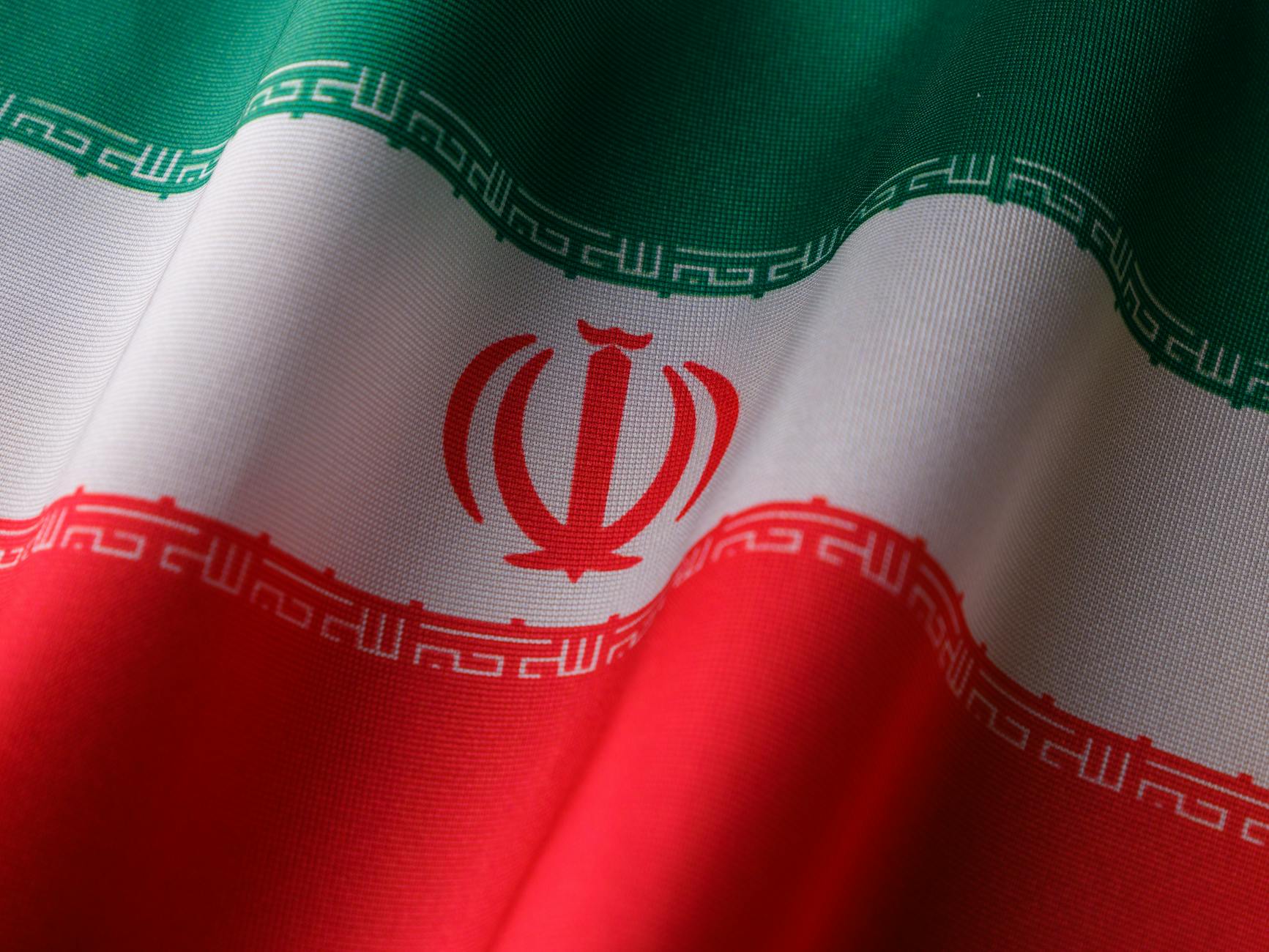
A new diplomatic agreement between the United States and Iran, finalized earlier this week, has triggered widespread debate over the long-term effectiveness of past military and economic pressures, with leading analysts like Bowen openly questioning the ultimate purpose of the protracted conflict. The accord has prompted a critical re-evaluation of Western policy, especially as the Iranian regime, despite significant human and economic costs, is widely perceived to have emerged from years of international confrontation not only intact but notably strengthened.
Background
For decades, relations between the United States and Iran have been characterized by deep mistrust and antagonism, punctuated by periods of intense geopolitical rivalry. Washington's foreign policy towards Tehran has consistently aimed to curb Iran's nuclear ambitions, counter its regional influence through proxy groups, and address concerns over human rights. These objectives have underpinned various strategies, including stringent economic sanctions, covert operations, and diplomatic isolation, all intended to pressure the Iranian leadership into altering its domestic and foreign policies.
The "conflict" referenced in current discussions is not a single declared war but rather a prolonged period of intense military, economic, and political pressure. This era has included numerous proxy engagements across the Middle East, a robust sanctions regime designed to cripple Iran's economy, and frequent military posturing by both sides. The overarching goal for many Western policymakers during this time was to contain, if not diminish, the Islamic Republic's power and influence, with some voices even advocating for a path to regime change.
What Happened
While the precise terms of the new US-Iran agreement remain under close scrutiny and have yet to be fully disclosed, its very existence signifies a major diplomatic shift. Reports suggest the deal addresses a range of issues, potentially encompassing regional security, economic cooperation, or aspects of Iran's nuclear program, signaling a departure from the previously confrontational stance. The culmination of these negotiations, which progressed quietly for several months, indicates a strategic decision by both parties to seek a new modus vivendi in a volatile region.
In the wake of this diplomatic breakthrough, prominent commentator Bowen articulated a sentiment echoed by many observers: the deal forces an "inescapable question of what the war was for." Bowen's analysis underscores a critical disconnect between the stated objectives of past policies and their perceived outcomes. Despite years of intense pressure and significant human suffering, the Iranian regime appears to have not only survived these challenges but, in many respects, consolidated and even expanded its influence across the Middle East.
This assessment points to Iran's enduring presence in Lebanon, Syria, Iraq, and Yemen through its various allies and proxy networks, which have often grown stronger even under duress. Furthermore, reports from international bodies continue to highlight advancements in Iran's nuclear enrichment capabilities, albeit under monitoring, alongside persistent missile development programs. Domestically, the regime has maintained its internal control, weathering both external pressure and internal dissent, leading many to question whether the immense costs borne by the Iranian populace and regional stability ultimately served their intended strategic purpose.
What It Means
The US-Iran deal carries profound implications for the future of American foreign policy and international relations. For the United States, it represents either a significant pragmatic shift, acknowledging the limitations of a purely confrontational approach, or an implicit admission of strategic failure in achieving desired outcomes through decades of pressure. This re-evaluation could set a precedent for how global powers engage with adversaries, potentially favoring diplomacy even when past policies have been deeply entrenched and costly.
Regionally, the agreement is set to redraw the geopolitical map of the Middle East. Traditional U.S. allies, particularly in the Gulf and Israel, are likely to view the deal with a mixture of apprehension and strategic recalculation. The perception of an empowered Iran, now potentially legitimized through a diplomatic accord with Washington, could compel these nations to pursue new security alliances or recalibrate their own foreign policy stances, potentially leading to further shifts in regional power balances and a new era of complex diplomacy and security concerns.
What Comes Next
The immediate aftermath of the deal will likely involve intense diplomatic efforts to manage its implementation and mitigate any destabilizing effects. Both Washington and Tehran will face scrutiny from domestic hardliners and international partners, requiring careful navigation to ensure the agreement's longevity. Key areas of focus will include the precise mechanisms for verification, ongoing regional security dialogues, and potential pathways for broader economic engagement, all of which will test the commitment of both sides.
Looking ahead, the agreement raises fundamental questions about the long-term stability of the Middle East and the future trajectory of US-Iran relations. Will the deal genuinely de-escalate regional tensions, or will it merely usher in a new phase of competition? The coming months and years will be crucial in determining whether this diplomatic turning point leads to a more predictable and peaceful regional order, or if it merely underscores the enduring complexities of a deeply entrenched geopolitical rivalry.
Discussion (0)
Sign in to join the discussion.