
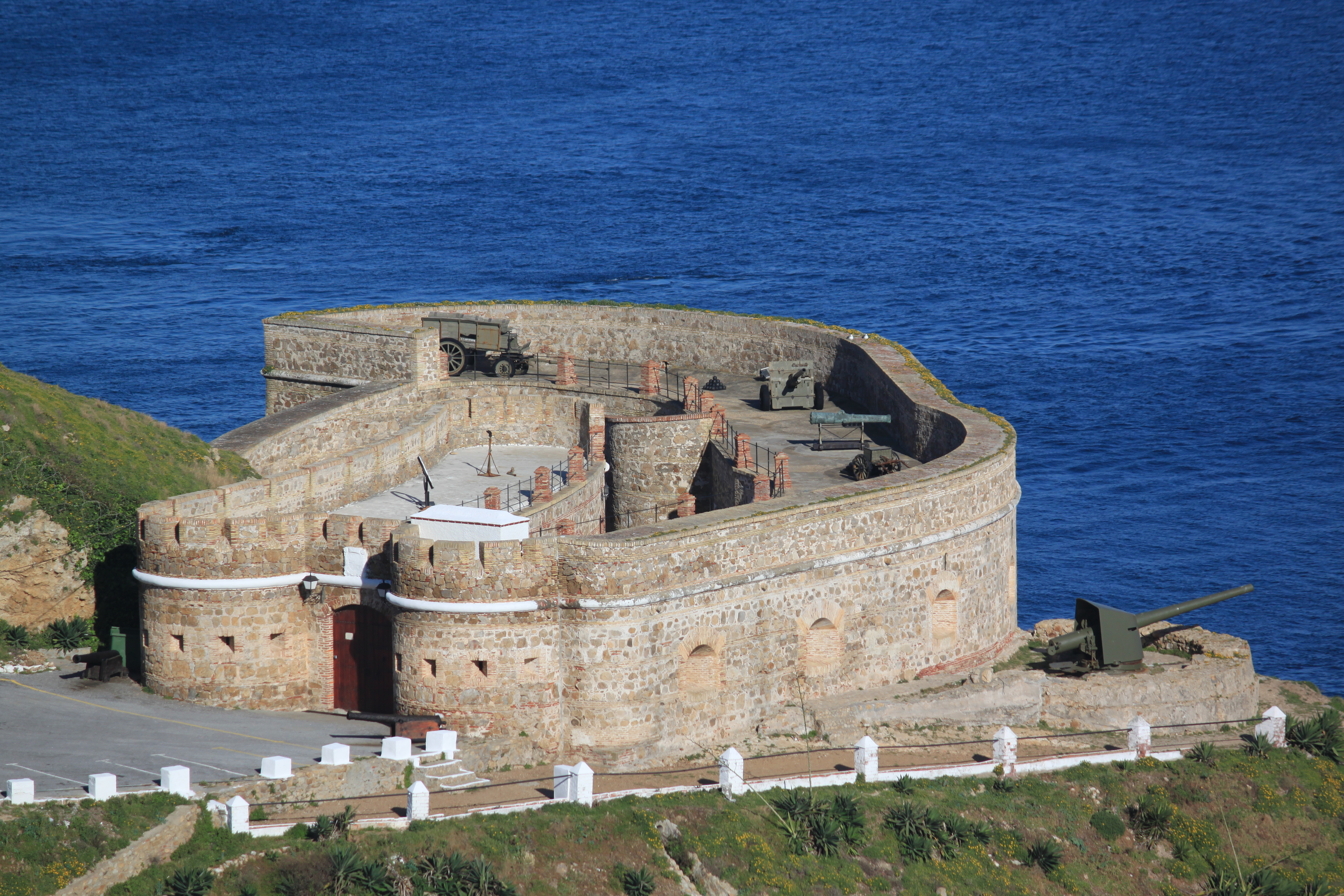
Spain has taken a rare step in its relations with an EU neighbour, imposing temporary border controls on travellers arriving from Italy. The move, announced on Friday and set to begin at midnight on Saturday, is a response to Rome's decision to impose similar measures earlier in the week, following an unprecedented and deadly migration rush to Ceuta, a Spanish exclave in North Africa.
The crisis in Ceuta has drawn attention to the persistent irregular migration pressure facing Italy, and Spain's interior ministry says the checks will remain in place until 7 September. This latest development comes as a growing number of migrants have crossed from Morocco into Ceuta, with estimates suggesting tens of thousands have entered the territory in recent weeks.
While Spain and Italy do not share a land border, the countries have become embroiled in a rare spat over the migrant influx. Spain had warned Italy that it would impose entry checks on visitors unless Rome halted its controls by Sunday, but it appears that Rome has not relented.
Experts point out that the EU's Schengen Area, which allows passport-free travel between member states, is under increasing strain due to the sheer volume of migrants seeking to enter Europe. The situation in Ceuta is a prime example of the challenges facing European nations as they grapple with the complexities of migration policy.
As the dispute between Spain and Italy intensifies, the implications for migrants and their families remain uncertain. The temporary border controls introduced by Spain are set to remain in place until 7 September, and it is unclear what the long-term consequences of this move will be for those seeking to enter Europe.
Background: The Ceuta Crisis
Ceuta, a Spanish territory on the North African coast, has been a key entry point for migrants seeking to reach Europe. The territory's proximity to Morocco and its status as a Spanish exclave have made it a prime destination for those fleeing conflict and poverty in the region.
Why It Matters
The migrant row between Spain and Italy has significant implications for the EU's migration policy and its ability to respond to the challenges posed by the increasing number of migrants seeking to enter Europe. As tensions between Spain and Italy escalate, the consequences for migrants and their families remain uncertain.
Discussion (0)
Sign in to join the discussion.