
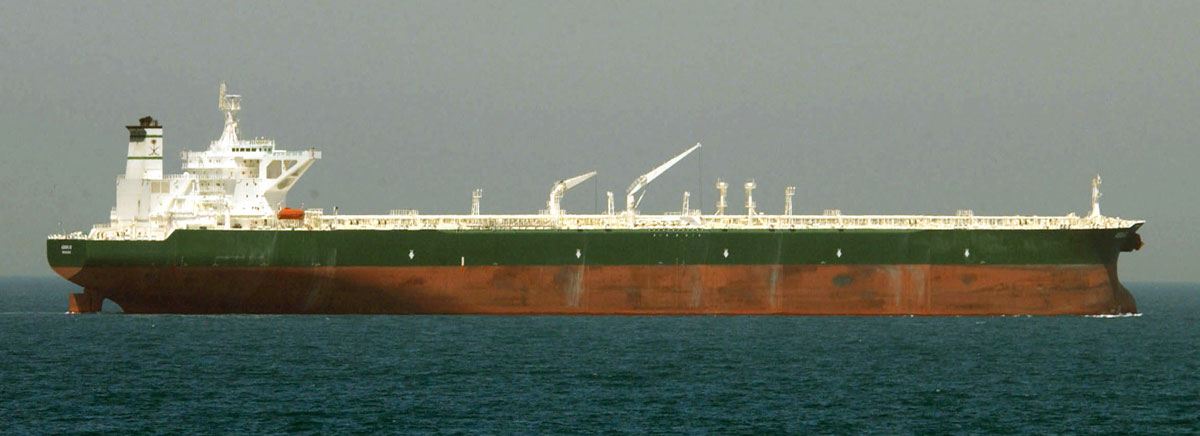
The oil price has breached the $95 a barrel mark for the first time in six weeks, as the escalating Middle East conflict threatens to disrupt global supplies further.
US-Iran Aggression and Houthi Threats Disrupt Global Oil Supplies
The benchmark oil price rose sharply on Wednesday as renewed US-Iran aggression in the strait of Hormuz and Houthi threats in the Bab el-Mandeb strait caused concerns over the security of global oil shipments.
This week, the US and Iran have been engaged in a fresh round of aggression, with the US dispatching a naval fleet to the region and Iran retaliating with missile tests. Meanwhile, the Houthi movement in Yemen has threatened to target oil tankers in the Bab el-Mandeb strait, a key chokepoint for global oil trade.
Global Economic Implications
The escalation of the Middle East conflict has significant implications for the global economy, particularly for oil-importing countries. The price of oil has already risen by over 20% in the past six weeks, and further increases could have far-reaching consequences for inflation, economic growth and energy security.
According to experts, a prolonged period of high oil prices could lead to a sharp increase in the cost of living, as well as reduced economic activity and potential job losses.
Background to the Conflict
The conflict in the Middle East has its roots in a long-standing rivalry between the US and Iran, which has been exacerbated by the withdrawal of US troops from Iraq in 2020. The Houthi movement in Yemen has also been involved in a protracted conflict with the Saudi-led coalition, which has resulted in significant humanitarian suffering and displacement.
In recent weeks, the conflict has escalated further, with the US and Iran engaging in a series of aggressive actions, including missile tests and naval deployments. This has caused concerns over the security of global oil supplies and the potential for further conflict in the region.
Discussion (0)
Sign in to join the discussion.