
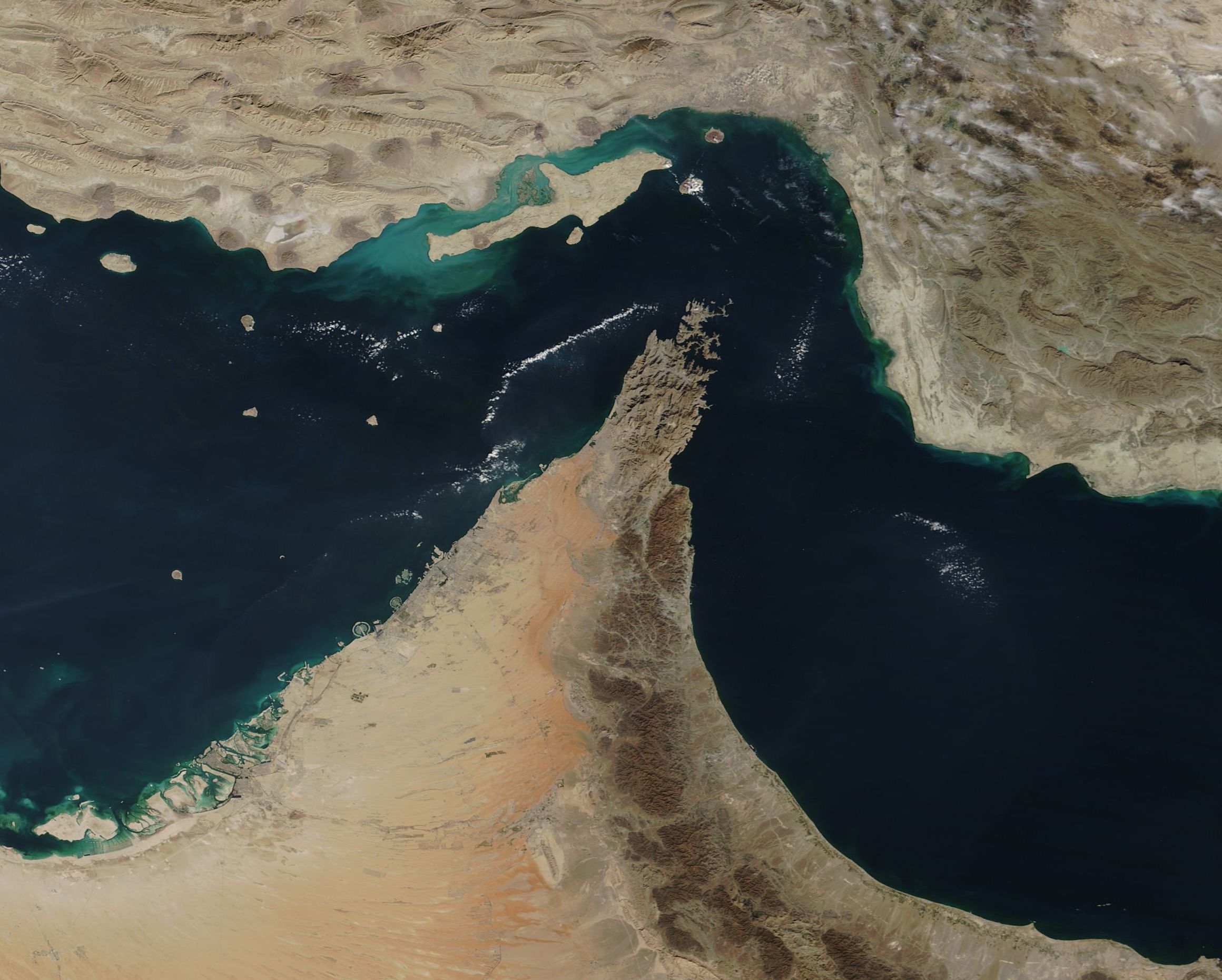
Oil and Gas Exports Plunge Despite US Efforts to Secure Route
A sharp decline in the number of oil, gas, and cargo ships using the US-backed Hormuz route has been reported, following a series of attacks earlier this week. Overnight, data revealed that over 500 fewer vessels than usual had transited the strategic waterway, as global energy markets watched with growing concern.
This week's attacks, blamed on Iranian-backed militias, have heightened geopolitical tensions in the region. The US, in an effort to deter further incidents, has bolstered its military presence in the area, citing a commitment to protecting freedom of navigation through the vital trade route.
Despite these efforts, however, the latest figures suggest that oil and gas exports via the Hormuz route have taken a hit. According to shipping industry sources, the reduction in traffic has resulted in a significant shortage of tanker capacity, driving up prices for major oil importers.
Analysts warn that the situation remains volatile and that further escalation could lead to a wider disruption of global energy supplies. 'The consequences of a sustained closure of the Hormuz route would be disastrous,' said Dr John Lee, a leading expert on energy geopolitics. 'It's crucial that all parties work towards de-escalation and a peaceful resolution to this crisis.'
As the situation continues to unfold, the international community remains on high alert, with diplomats scrambling to broker a resolution to the ongoing tensions. The next few days will be crucial in determining the outcome, with key players set to gather for emergency talks in Geneva next week.
With the stakes so high, one thing is clear: the security of the Hormuz route is a pressing global concern that demands a united and decisive response from all parties involved.
Discussion (0)
Sign in to join the discussion.