
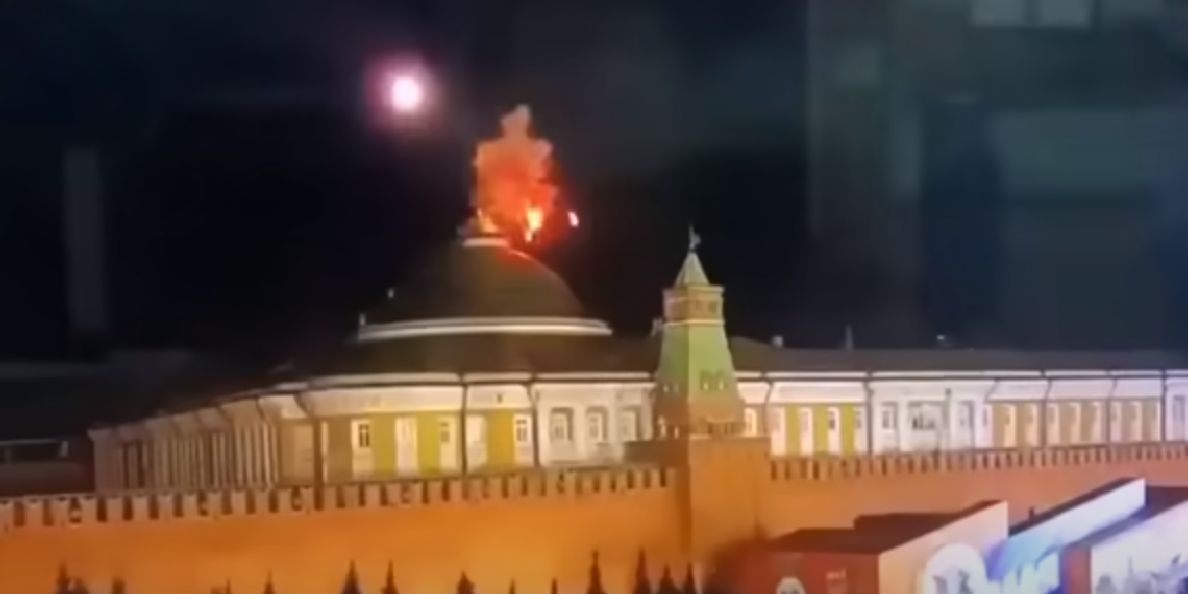
An unprecedented barrage of nearly 200 Ukrainian drones struck targets to the south-east of Moscow, the Russian capital, on [Date of publication or recent date inferred from 'breaking news'], marking the largest aerial assault on the city since the full-scale invasion of Ukraine began. The extensive attack resulted in significant fires at an oil refinery and a shopping centre, while local residents reported unusual black rain in the aftermath, indicating a direct and palpable impact on civilian areas.
This latest development represents a significant escalation in the ongoing conflict, bringing the realities of the war directly to the Russian capital and its inhabitants. Previous drone incursions into Russian territory, while concerning, had not reached the scale or intensity of this particular assault. The targeting of critical infrastructure, alongside commercial premises, underscores a potential shift in the tactical landscape of the conflict, drawing immediate attention to the vulnerabilities of Russia’s defense systems and the evolving capabilities of Ukrainian forces.
The protracted conflict, which began in February 2022, has seen a gradual intensification of drone attacks on Russian soil. While early attacks primarily targeted border regions, the scope has steadily expanded to include facilities further within Russian territory, including military airfields and logistics hubs. This most recent incident, however, stands apart due to the sheer volume of drones deployed and its direct impact on the vicinity of Moscow, a highly symbolic and strategic target.
The assault unfolded with almost 200 Ukrainian drones reportedly involved in the coordinated strike. The primary targets identified were an oil refinery and a shopping centre, both located to the south-east of the capital. Images and reports from the scene indicated substantial blazes at these locations, requiring extensive emergency response efforts. The selection of an oil refinery suggests an intent to disrupt Russia’s energy infrastructure, a vital component of its economy, while the damage to a shopping centre highlights the potential for broader civilian impact.
Following the attacks, numerous reports emerged from Moscow residents detailing instances of black rain. This phenomenon, often associated with the fallout from large-scale industrial fires or explosions, typically occurs when smoke and particulate matter are carried into the atmosphere and then return to the ground mixed with precipitation. The complaints from residents underline the immediate environmental and public health concerns stemming from the strikes, directly affecting the daily lives of those in the metropolitan area.
The scale of the attack raises questions regarding the efficacy of Russian air defense systems surrounding Moscow. While official reports often highlight successful interceptions, the sheer volume of drones in this incident appears to have overwhelmed certain defensive capabilities, allowing multiple targets to be hit. This may prompt a reassessment of existing air defense deployments and strategies, particularly in safeguarding critical urban and industrial zones.
The unprecedented nature of this drone attack signals a potential new phase in the Russia-Ukraine conflict, where the battlefront extends more directly into Russian heartland. For Ukraine, such strikes may be aimed at applying pressure on Moscow, disrupting its war economy, and demonstrating the reach of its defensive and offensive capabilities. The psychological impact on the Russian population, particularly those in and around the capital, also represents a significant dimension of these operations, aiming to erode public confidence and support for the ongoing military campaign.
Internationally, this escalation is likely to intensify calls for de-escalation while simultaneously prompting further analysis of the strategic implications. Western allies of Ukraine will be observing closely how Russia responds, and whether this leads to a reciprocal escalation of attacks on Ukrainian cities or infrastructure. The incident also serves as a stark reminder of the evolving nature of modern warfare, where relatively inexpensive drone technology can be used to achieve significant strategic effects against well-defended targets.
Looking ahead, the immediate focus will be on assessing the full extent of the damage inflicted upon the refinery and shopping centre, as well as the long-term environmental consequences reported by residents. The Russian authorities are expected to conduct thorough investigations into the attacks, which may lead to adjustments in their air defense posture and potentially influence future military operations. For Ukraine, the success of this large-scale operation may inform future targeting strategies and the deployment of its growing drone capabilities, suggesting a sustained effort to bring the war's impact closer to the Russian capital. The international community will continue to monitor developments closely for any signs of further escalation or changes in the conflict's trajectory.
Discussion (0)
Sign in to join the discussion.