

Johnson & Johnson has proposed a settlement worth up to $5.5 billion to resolve thousands of lawsuits alleging its talcum powder products caused cancer. The move aims to bring an end to a protracted legal battle that has spanned several years and generated significant legal and reputational challenges for the consumer goods giant.
The offer is intended to settle the vast majority of claims from individuals who accuse the company's talc-based products, including its iconic baby powder, of containing asbestos and leading to various cancers, particularly ovarian cancer and mesothelioma.
The offer is intended to settle the vast majority of claims from individuals who accuse the company's talc-based products of containing asbestos and leading to various cancers.
Years of Legal Scrutiny
For more than a decade, Johnson & Johnson has faced intense scrutiny and thousands of lawsuits regarding the safety of its talc products. Plaintiffs have consistently argued that the company was aware of potential asbestos contamination in its talc and failed to adequately warn consumers.
Despite the company's steadfast denial of these allegations, legal proceedings have resulted in billions of dollars in verdicts against it, though many have been reduced or overturned on appeal. The sheer volume of litigation has placed a considerable burden on the company, leading to various attempts at resolving the issue through bankruptcy filings by a subsidiary, which were largely unsuccessful.
Company Strategy and Future Impact
This latest settlement proposal represents a significant strategic shift for Johnson & Johnson, indicating a strong desire to move past the protracted litigation. Resolving these lawsuits would allow the company to mitigate ongoing legal costs and focus resources on its core pharmaceutical and medical device businesses.
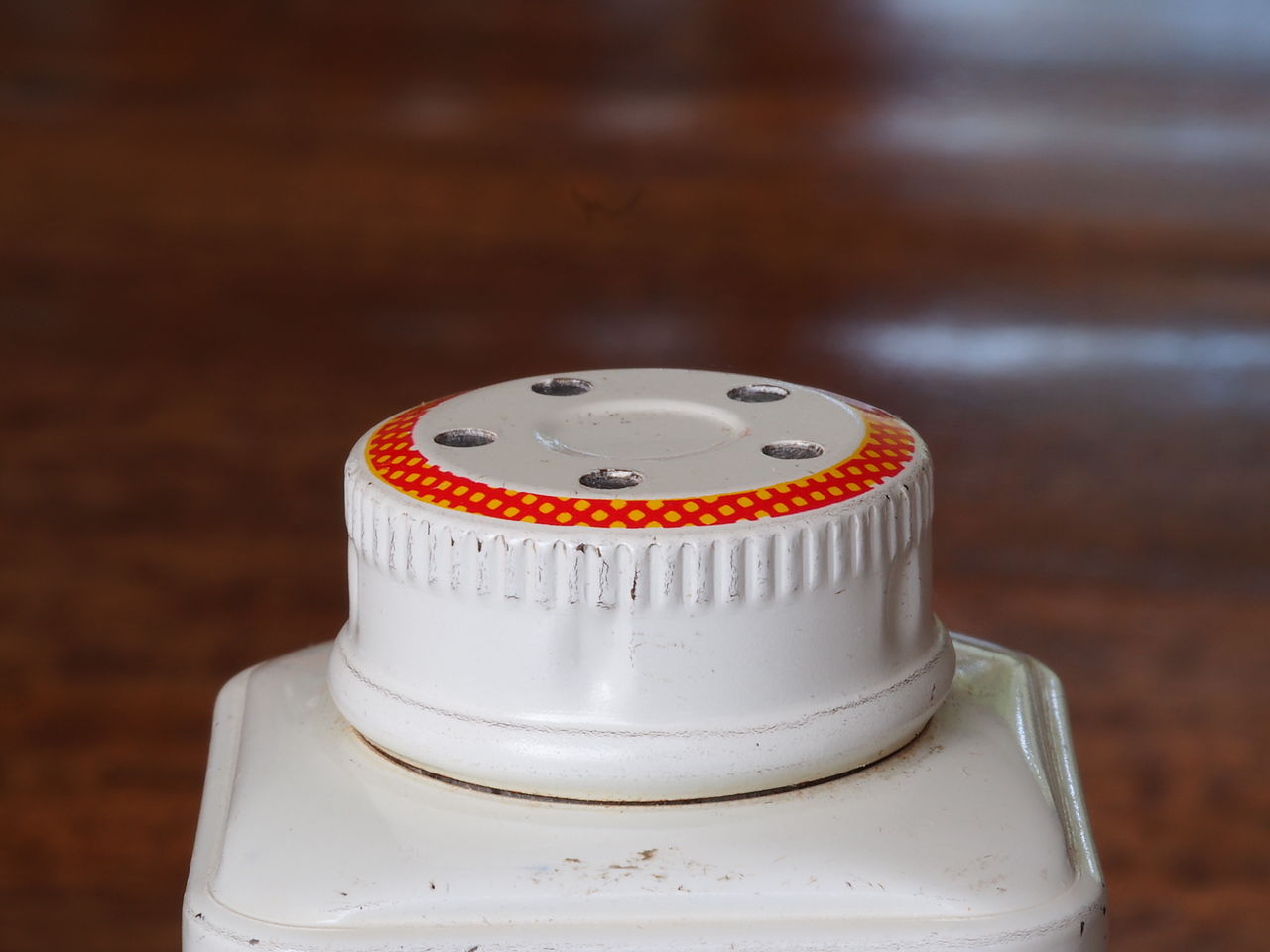
The company ceased global sales of its talc-based baby powder in 2023, transitioning to a cornstarch-based alternative. This settlement, if accepted by the claimants, would provide a pathway to address legacy liabilities and potentially restore public confidence in the brand, which has been considerably affected by the legal controversies.
The proposed settlement still requires approval from a majority of the plaintiffs involved in the lawsuits. Its acceptance would mark a pivotal moment in one of the largest mass tort cases in corporate history.
Discussion (0)
Sign in to join the discussion.