
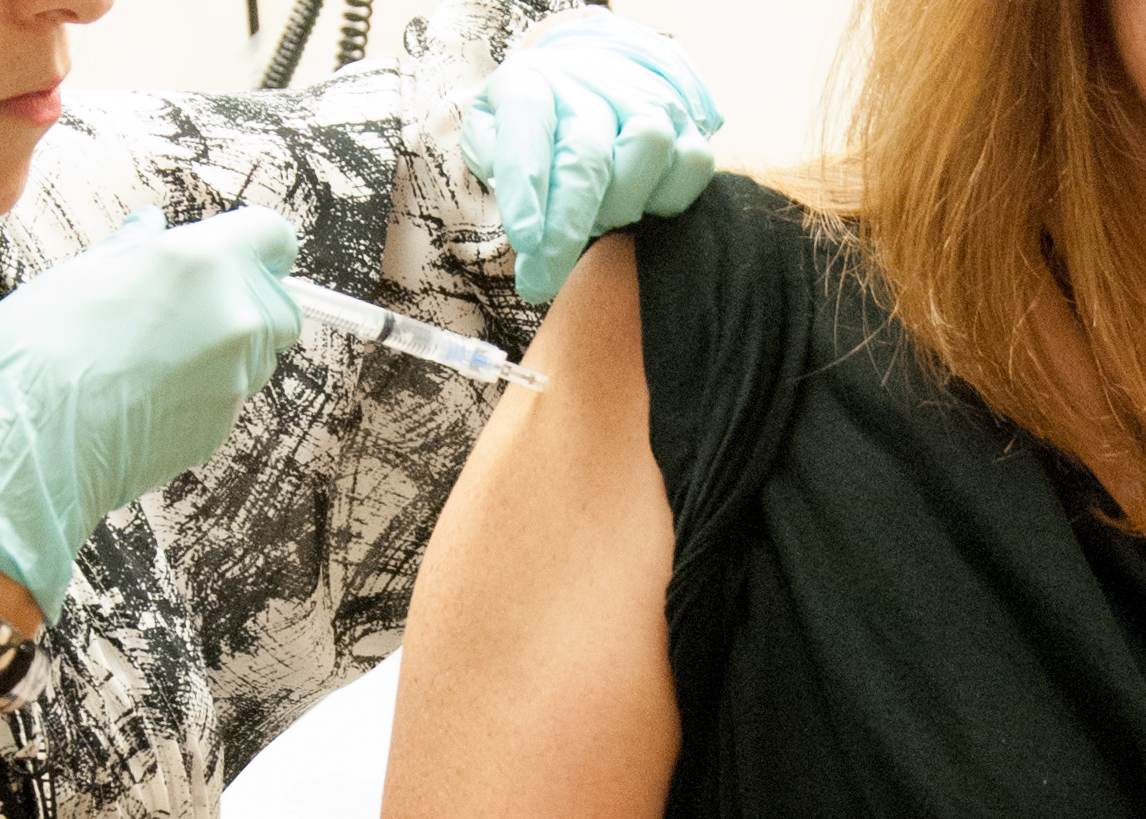
Ed Hunt, a 37-year-old from the UK, has become the first person to receive a new experimental vaccine designed to combat the rare Bundibugyo strain of Ebola. The trial, conducted in the UK, represents a critical step in the global effort to develop more comprehensive defences against the deadly virus.
Mr Hunt volunteered for the trial after seeing extensive reports of the ongoing Ebola outbreak in the Democratic Republic of Congo (DR Congo). That particular outbreak has continued to escalate, with confirmed infections reaching 3,200 and a death toll exceeding 1,400, according to DW News.
"The trial represents a critical step in the global effort to develop more comprehensive defences against the deadly virus."
The fatality rate in the DR Congo crisis stands at nearly one in two, underscoring the urgent need for effective treatments and preventative measures.
Targeting the Bundibugyo Strain
While previous vaccines have been developed and deployed against the more common Zaire strain of Ebola, this new experimental jab specifically targets the Bundibugyo strain. This particular variant has been responsible for several outbreaks, though it is less frequently encountered than Zaire.
Scientists are racing to test vaccines against this rare strain to ensure a broader protective arsenal against the virus. The initiation of human trials marks a significant acceleration in this research.

A Broader Fight Against Ebola
Ebola virus disease, first identified in 1976, causes severe haemorrhagic fever and is transmitted to humans from wild animals before spreading through human-to-human contact. Its sporadic outbreaks, particularly in Central and West Africa, have repeatedly overwhelmed health systems and led to high mortality rates.
The development of multiple vaccine candidates against different Ebola strains is crucial for global health security. The long-term objective is to have a range of effective vaccines ready for deployment, regardless of which specific strain emerges in future outbreaks.
Further stages of the trial will monitor the vaccine's safety and its ability to provoke an immune response in participants. Researchers hope that successful trials could pave the way for wider availability and deployment in affected regions.
Discussion (0)
Sign in to join the discussion.