
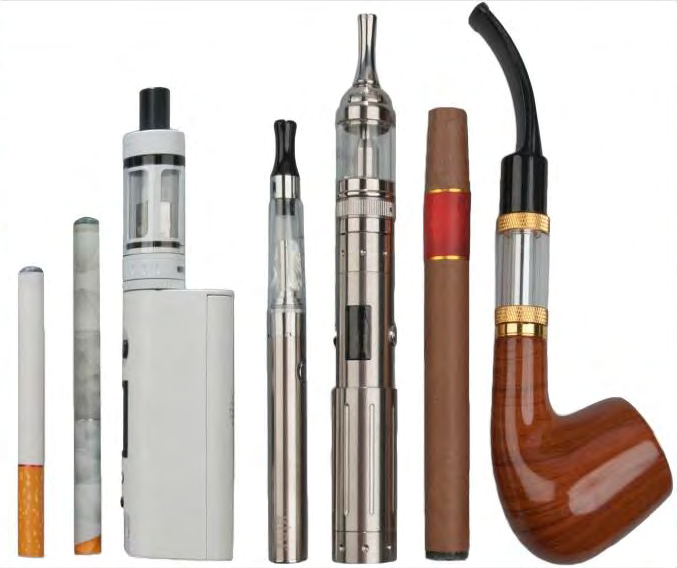
Chinese vape manufacturers are reportedly deploying synthetic nicotine analogues, including 6-methyl-nicotine, in their products to bypass flavour restrictions in the United States, raising new public health concerns.
These novel chemical compounds, which mimic the effects of nicotine but are not classified as such under current US regulations, present an escalating challenge for public health officials attempting to curb the widespread use of e-cigarettes.
The practice marks a significant shift in the tactics used by the industry to circumvent legal frameworks designed to protect consumers, particularly young people, from the addictive properties and unknown health risks associated with vaping.
New Chemical Compounds Emerge
The chemicals in question are synthetic nicotine analogues, with 6-methyl-nicotine being a prominent example. While these compounds have been known to scientists for decades, they were never brought to market by major tobacco companies, despite extensive research into their properties.
Industry observers suggest that the reluctance of traditional tobacco firms to commercialise these analogues may have stemmed from concerns over their safety profile or potential regulatory hurdles. However, Chinese manufacturers appear to be embracing them as a loophole.
By utilising substances not explicitly defined as nicotine, these companies can continue to produce and market flavoured vape products that would otherwise be banned under US federal and state laws.

Regulatory Loophole Exploited
The United States has implemented a series of flavour bans on traditional nicotine-containing e-liquids over recent years. These regulations were primarily designed to tackle the surge in youth vaping, which was often attributed to the appeal of sweet and fruit-based flavours.
However, the emergence of vapes containing nicotine analogues effectively sidesteps these restrictions. Since the compounds are chemically distinct from nicotine, they do not fall under the existing regulatory umbrella, allowing manufacturers to sell a full spectrum of flavours without penalty.
This development creates a significant hurdle for agencies like the Food and Drug Administration (FDA), which now faces the prospect of regulating an entirely new class of psychoactive substances within the vaping market.
Potential Health Implications Unclear
The exact health implications of inhaling these nicotine analogues are largely unknown. While they are designed to produce similar physiological effects to nicotine, their potency and long-term impact on the human body have not been thoroughly studied in humans.
Concerns are growing among public health advocates that these chemicals could be even more addictive or toxic than traditional nicotine, potentially leading to unforeseen health crises. The lack of robust scientific data means consumers are effectively experimenting with substances of unconfirmed safety.
As this trend gains traction, regulators and scientists face an urgent need to understand the pharmacological profiles of these new compounds and assess the risks they pose to public health.
Future of Vape Regulation
The rapid evolution of the vaping market, particularly the swift adoption of novel chemicals, underscores the challenges faced by regulatory bodies worldwide. Existing laws are struggling to keep pace with industry innovation, which often appears driven by a desire to circumvent controls.
Experts suggest that a broader, more adaptive regulatory framework may be required to address not just nicotine, but any substance designed to deliver psychoactive effects via vaping devices. Without such a change, the cat-and-mouse game between manufacturers and regulators is likely to continue.
The emergence of these new products demands immediate attention from health authorities and lawmakers to ensure consumer safety and prevent a new generation from becoming addicted to potentially hazardous substances.
Discussion (0)
Sign in to join the discussion.